In the past, Alternatives to Violence (ATV) was based on a therapeutic model. There were therapists on staff, and our primary goal was to prioritize a client’s long term emotional and behavioral changes as they relate to domestic violence. However, in 2016 ATV determined that we needed to make a change. There was a significant gap in our clients’ needs versus resources that are available to them. That’s when we switched from a Therapeutic Model, to an Advocacy Model.
Advocacy is a short-term crisis intervention model and it assists clients with their immediate needs like shelter and safety. The goal in advocacy is empowerment to move forward. Often times, we describe it to our clients as if they are in the drivers’ seat of a car, and we are in the passenger seat. They are making all of the decisions, and we are just assisting them with directions. We never tell a client what to do or where to go, to keep the power in their hands.
If you are familiar with Maslow’s Hierarchy of Basic Needs, this is a great way to understand just how beneficial an advocacy model is to those fleeing domestic violence. Maslow states that there are five basic human needs (In order: Physiological needs, Safety needs, Love and Belonging, Esteem, and Self-Actualization). The theory being that we must be secure in one area before moving on to the next.
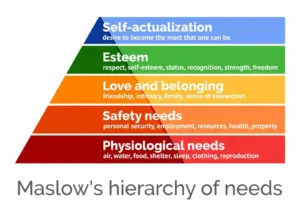
When someone reaches out to us, we are often their last resort; so, they are in need of safety and other basic needs being met. In order for them to move forward into a space where a therapeutic approach could be beneficial, those basic needs need to be addressed first. They need to know that they are safe, and have a roof over their head, before they can start processing through their trauma.
Because our clients are in trauma, we always work with them to set their own goals based on what they need. Everyone’s situation is unique, and we work with our clients to make an individualized plan to help them roadmap a path to their own goals. Once we can help them in meeting those basic needs, a client might then be ready to work more long term with a mental health professional to move towards healing and positive relationships. This is why we here at ATV find an Advocacy based model more beneficial to our clients fleeing domestic violence.
If you or someone you know needs help, our advocates are ready. Please contact us at 970-669-5150 or text 970-669-5157.